
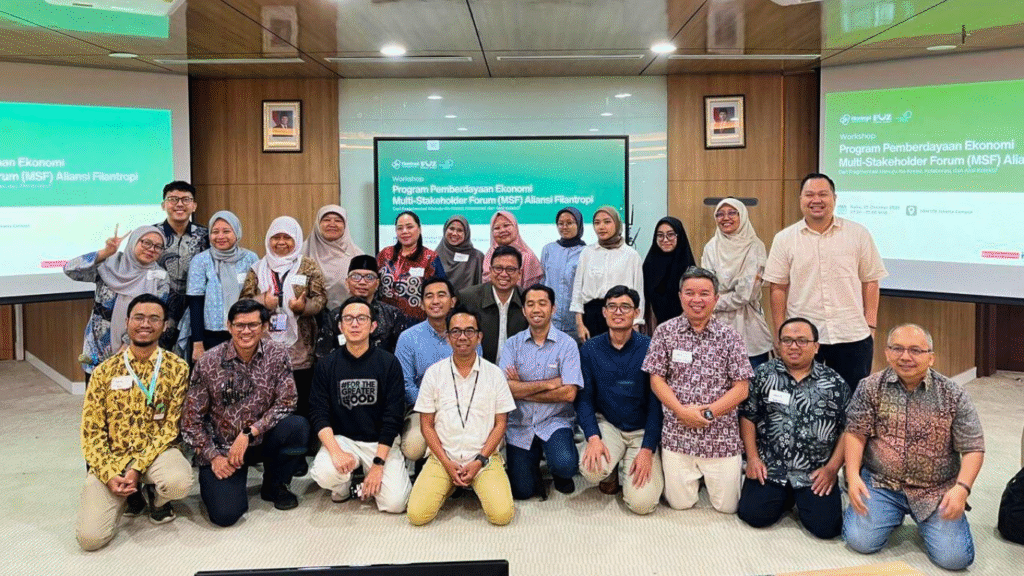
IAP2 Indonesia – If you work in public participation in Indonesia, you already know the scene. A company announces a new project. A public hearing is organised. PowerPoint slides are presented. Questions are taken. Photos are taken. The minutes are signed. On paper, “consultation” has happened. But has anything truly changed? As Indonesia positions itself as a key player in coal transition, critical minerals, and energy security, this old script is no longer enough. The social, environmental, and governance risks around extractive industries are simply too big to manage through one-off meetings and ceremonial consultations.
For IAP2 practitioners, this moment is an opportunity: to reposition multi-stakeholder dialogue not as a soft add-on, but as strategic infrastructure for the country’s extractive future.
FROM COMPLIANCE RITUAL TO RISK ARCHITECTURE
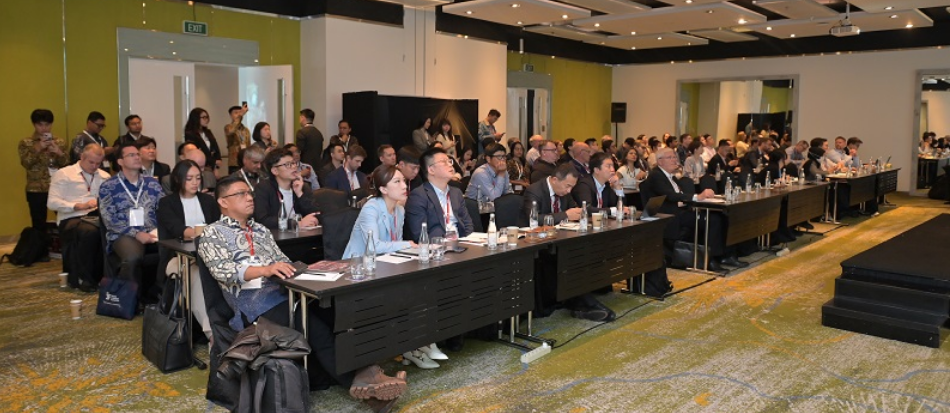
Source: metal
Three forces are converging across the extractive sector:
- Communities and sub-national governments are more assertive about environmental impact, land rights, and benefit sharing.
- Investors and lenders now apply global frameworks, including IFC Performance Standards, the World Bank ESF, the Equator Principles, and EITI. Social licence has become directly linked to capital.
- National policy is accelerating downstreaming and energy transition, raising distributional questions: Who pays? Who benefits? Who decides?
In this context, poorly designed engagement is more than a reputational concern — it becomes a strategic liability:
- Delayed permits and stalled projects
- Escalating grievances and social conflict
- Fragmented CSR with minimal development impact
- Eroding trust in both government and industry
Institutionalised, well-designed multi-stakeholder dialogue does the opposite. It becomes part of the project’s risk management architecture — a structured space to surface competing claims, share data, clarify assumptions, and adjust plans before tensions escalate.
THE IAP2 SPECTRUM: A SIMPLE TOOL THAT CHANGES THE CONVERSATION
Source: sustainingcommunity.wordpress
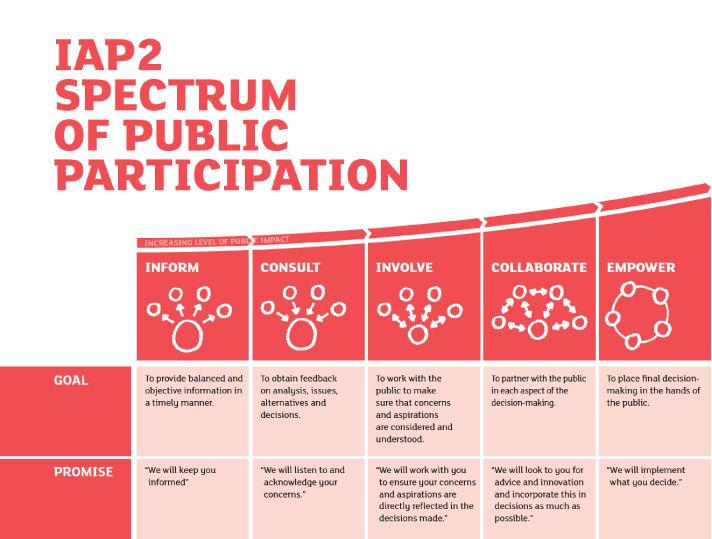
The IAP2 Spectrum of Public Participation — Inform, Consult, Involve, Collaborate, Empower — appears simple. Many of us use it in training and facilitation.
But in extractive governance, it becomes a political honesty tool.
It forces three essential questions:
- What is truly on the table? Are we informing, seeking input, co-designing options, or sharing decision-making power?
- How much influence are we genuinely willing to share? Clear boundaries prevent over-promising and under-delivering.
- What is the promise to participants — and can we keep it? From: “We will keep you informed,”
to: “We will implement what we decide together.”
Naming the level of participation reduces tokenism. People may not win every negotiation — but they are far less likely to feel misled.
DIALOGUE AS INDONESIA’S STRATEGIC ADVANTAGE
Source: jetknowledge
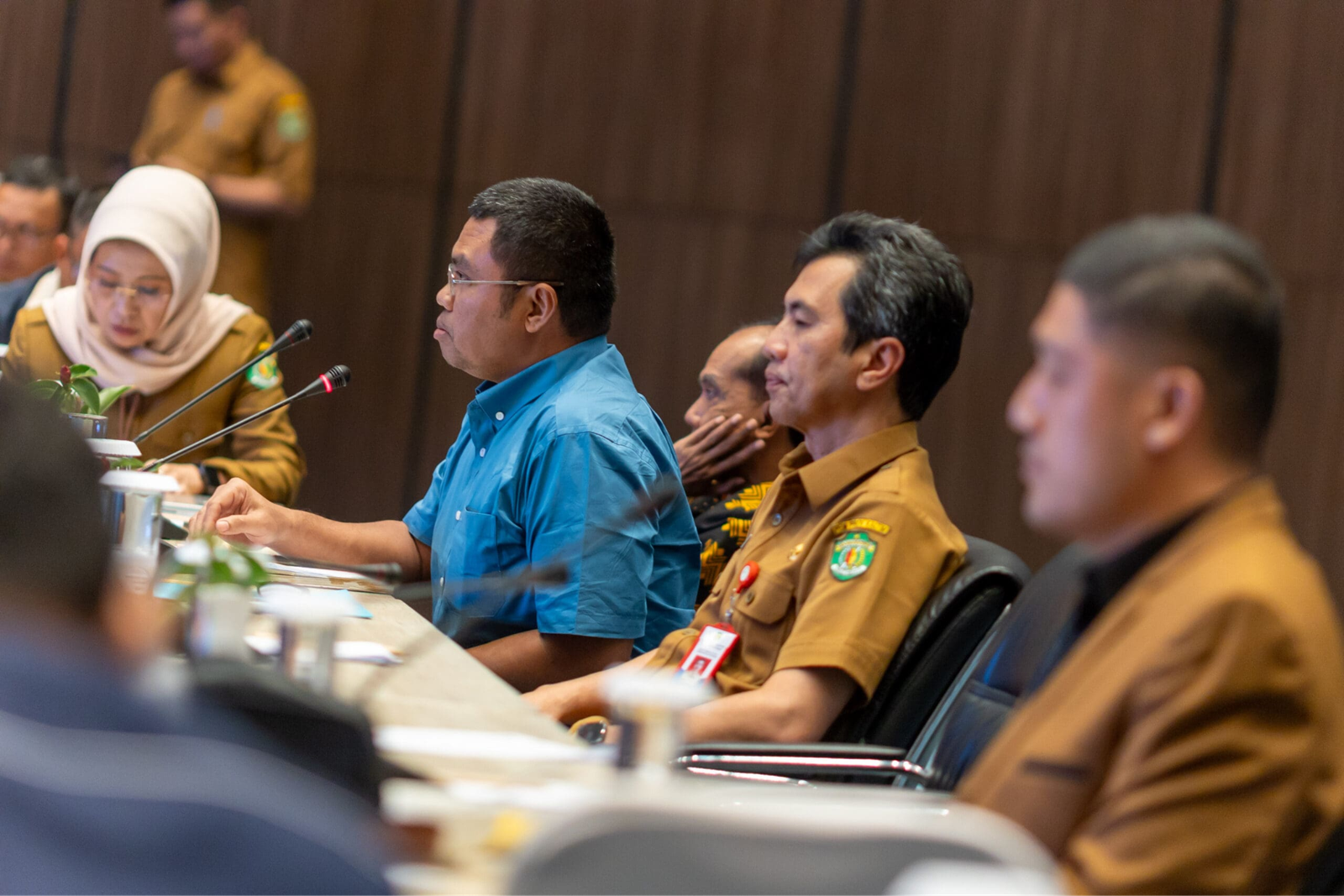
Indonesia’s governance landscape is complex: decentralisation, overlapping mandates, sectoral silos, and strong local political dynamics. On the surface, this appears to be a constraint.
But with the right platforms, it becomes an advantage.
Indonesia already possesses unique assets:
- A cultural foundation of musyawarah (deliberation and consensus)
- Formal mechanisms such as Musrenbang, local CSR forums, and the national EITI Multi-Stakeholder Group
- A growing professional community advancing institutionalised participation — including IAP2 Indonesia
The missing link is coherence. These elements must evolve from isolated initiatives into a deliberate multi-layered governance system, such as:
- Village-level “micro-MSGs” co-designing CSR and community development
- District and provincial platforms aligning corporate spending with development plans
- National dialogue linking transparency (EITI) with policy frameworks on minerals and energy transition
You may also like: Partisipasi Publik, Tenaga Baru Demokrasi
When these layers connect, Indonesia can transform institutional complexity into coordinated collaboration.
WHAT THIS MEANS FOR IAP2 PRACTITIONERS
Source: foodforthepoor
Three shifts matter for the profession:
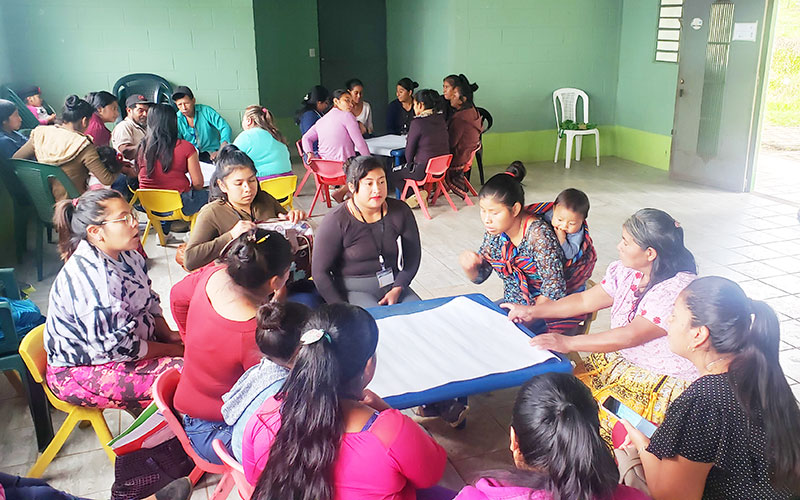
- From events to systems, The value is not in running more meetings, but in enabling continuous, structured, consequential dialogue.
- From facilitation to governance design, Facilitation remains core — but the next frontier is designing rules, representation, evidence sharing, and decision pathways.
- From neutral process to principled practice, Neutrality does not mean ignoring power.
IAP2 values — equity, transparency, respect, and influence — are not slogans. They are safeguards against tokenism, exclusion, and capture.
A SERIES ABOUT SITTING — AND DECIDING — TOGETHER
Source: vale
This article is the first in a three-part series for iap2.or.id:
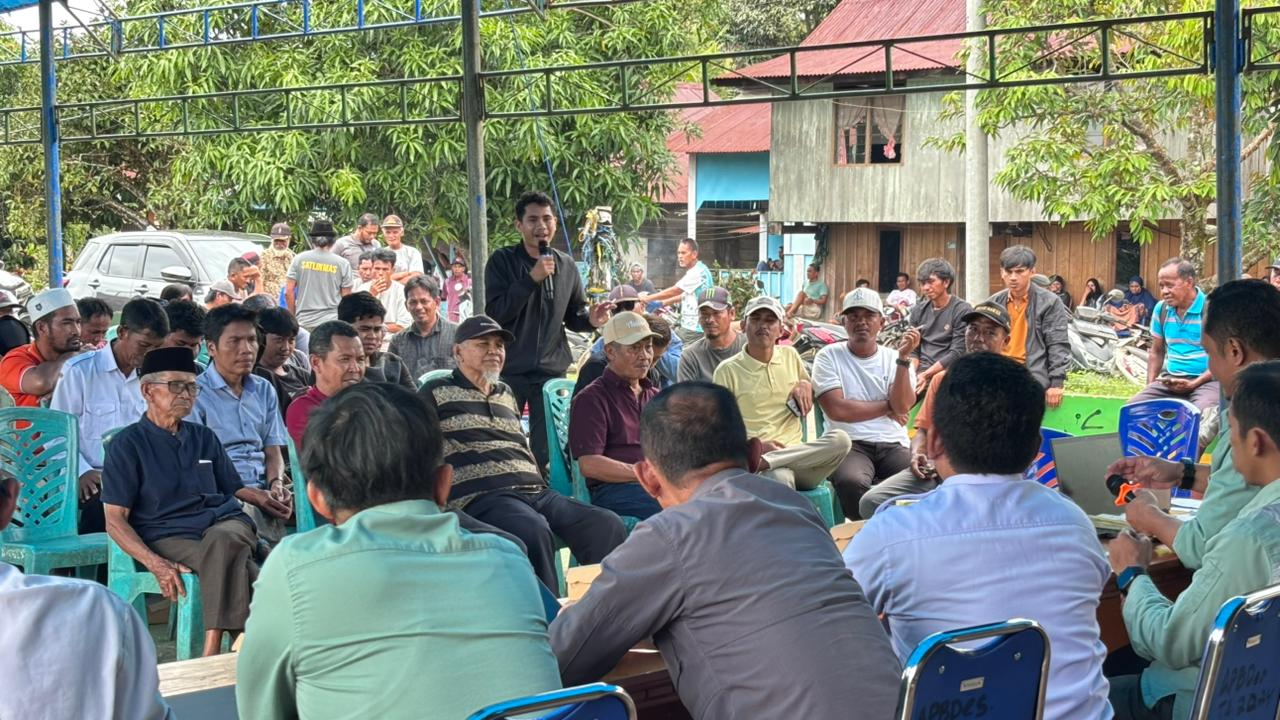
- Part 1 (this piece) frames multi-stakeholder dialogue as strategic infrastructure for Indonesia’s extractive future.
- Part 2 will share field-based lessons from coal, nickel, and oil & gas — demonstrating what changes when stakeholders genuinely engage.
- Part 3 will offer a practical playbook to move from “just another FGD” toward durable, co-governed platforms.
Across all three, a single core question guides the discussion:
In a sector as politically complex as extractives, how do we create spaces where Indonesia can not only talk — but decide together?
IAP2 practitioners are uniquely positioned to help answer that question.