
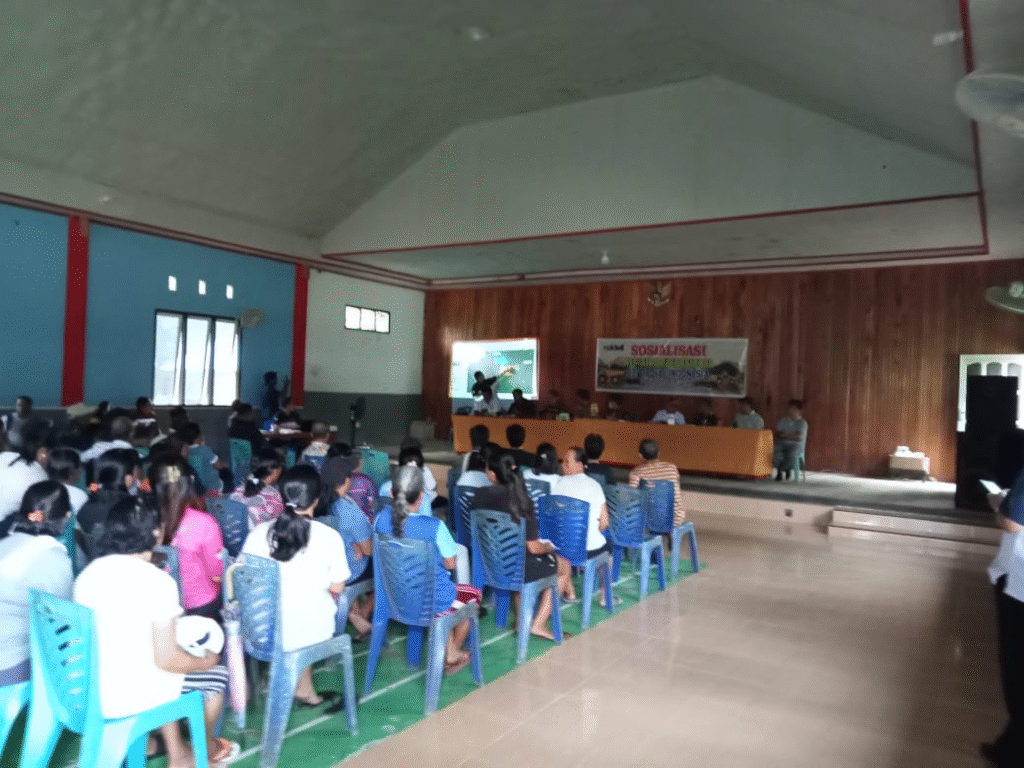
IAP2 Indonesia – Public participation can sound abstract — until you sit in a village hall where a mining company, local government, and community leaders openly debate priorities for the coming year. Over the last two decades, Indonesia has quietly built a portfolio of such experiences. They are not perfect success stories, but they contain hard-earned lessons for anyone trying to move from consultation to collaboration in extractive industries.
This article shares four snapshots — coal, nickel, oil & gas, and rural–urban development — and draws out cross-cutting insights for IAP2 practitioners.
STORY 1 — LEARNING THE BASICS IN PARUL/PLED
Source: povertyactionlab
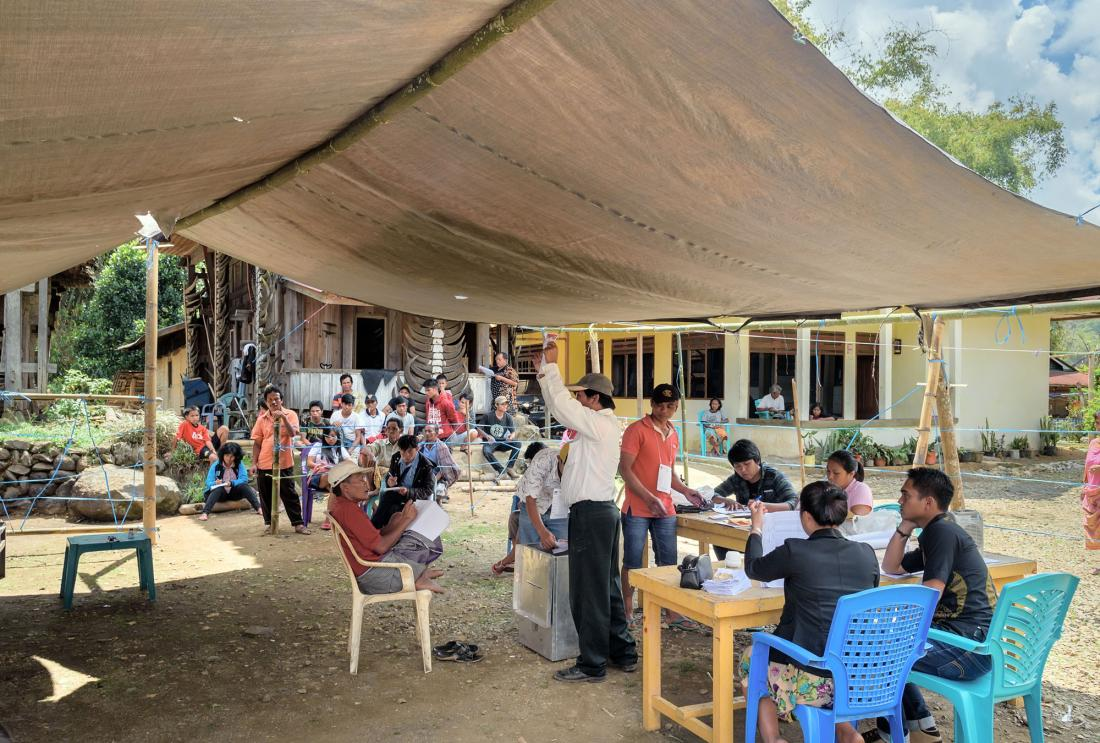
Before entering extractives work, many practitioners first learned participatory development in more “ordinary” programmes. One example is PARUL/PLED (Poverty Alleviation through Rural–Urban Linkages / Partnership for Local Economic Development), a UNDP–UN-Habitat initiative with Bappenas and local governments in the early 2000s.
Key features:
- Multi-stakeholder meetings involving district officials, small entrepreneurs, farmers, and urban actors.
- Participatory mapping of livelihoods and value chains across rural and urban spaces.
- Simple, narrative-based communication that translated technical planning language into everyday terms.
On the IAP2 Spectrum, many activities sat at Involve, and sometimes Collaborate. Communities and local governments didn’t just react to plans — they helped shape them.
Why it matters for extractives: PARUL/PLED showed that joint diagnosis and co-planning are possible in Indonesia when intentionally designed — long before ESG became a buzzword.
STORY 2 — KUTAI TIMUR: MICRO-MSGS AROUND A COAL GIANT
Source: mongabay
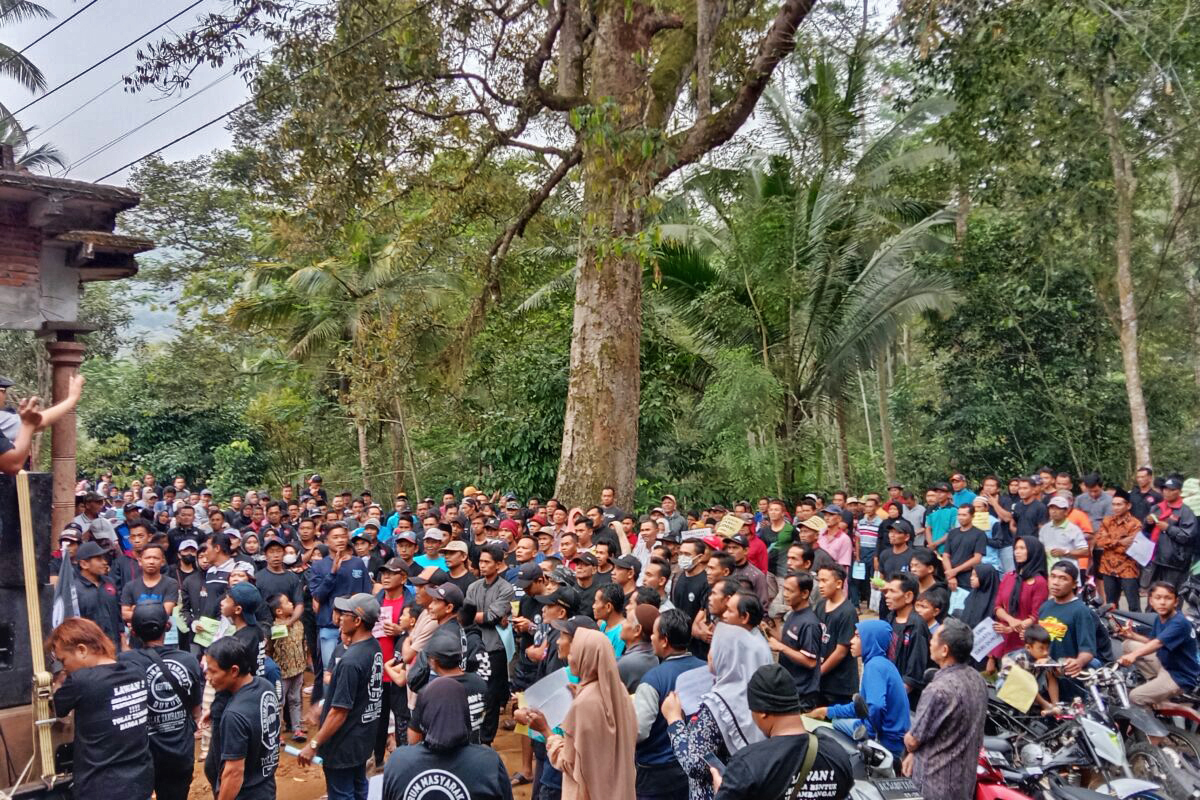
In East Kalimantan, large-scale open-pit mining by PT Kaltim Prima Coal (KPC) generated significant social and environmental impacts. Early CSR was fragmented: many projects, little alignment with village priorities.
Over time, KPC and partners piloted a village-level model:
- Tri-partite working groups representing the CSR team, village government, and community (including women and youth).
- Participatory needs assessments, project prioritisation, and joint monitoring.
- Simple social contracts outlining commitments, roles, timelines, and budgets.
Eventually, these micro-forums connected to a district-level Multi-Stakeholder CSR Forum, formalised by a Regent’s Regulation and linked to the Musrenbang process.
From an IAP2 perspective:
- Village-level groups operated at Involve/Collaborate.
- The district forum functioned at Consult/Involve in relation to district policy and inter-company coordination.
Lessons learned:
- Institutional anchors matter — regulations provide legitimacy and continuity.
- Nested design (village → district) works better than isolated forums.
- CSR can become meaningful public participation — if designed intentionally.
STORY 3 — WEDA BAY NICKEL: MULTIPLE TIERS IN A REMOTE LANDSCAPE
Source: wikipedia
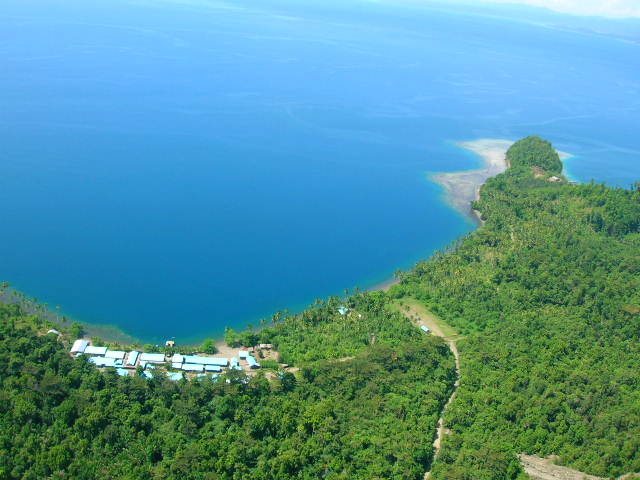
In Weda Bay, North Maluku, nickel exploration and early development unfolded in a remote and socially complex context. Expectations were high; state presence was limited.
The response was a multi-tier governance architecture:
- Village working groups including traditional leaders, women, youth, and entrepreneurs.
- Sub-district forums addressing shared issues such as roads, health, and education.
- District-level alignment between company programming and public planning and budgeting.
The exact structures shifted over time, but three consistent takeaways emerged:
- Expectation management is everything. The architecture gave clarity on where and how decisions are made.
- Data is the glue. Shared baselines enabled consistent discussion and progress tracking.
- Capacity building must be embedded. People learned through participation, not through standalone training workshops.
You may also like: BEYOND PUBLIC HEARINGS: WHY MULTI-STAKEHOLDER DIALOGUE IS STRATEGIC INFRASTRUCTURE FOR INDONESIA’S EXTRACTIVE FUTURE
For IAP2 practitioners, this reinforces the need to match governance design with territorial reality — not just project boundaries.
STORY 4 — MEDCO E&P RIMAU: A CSR CORRIDOR IN MUSI BANYUASIN
Source: wikipedia
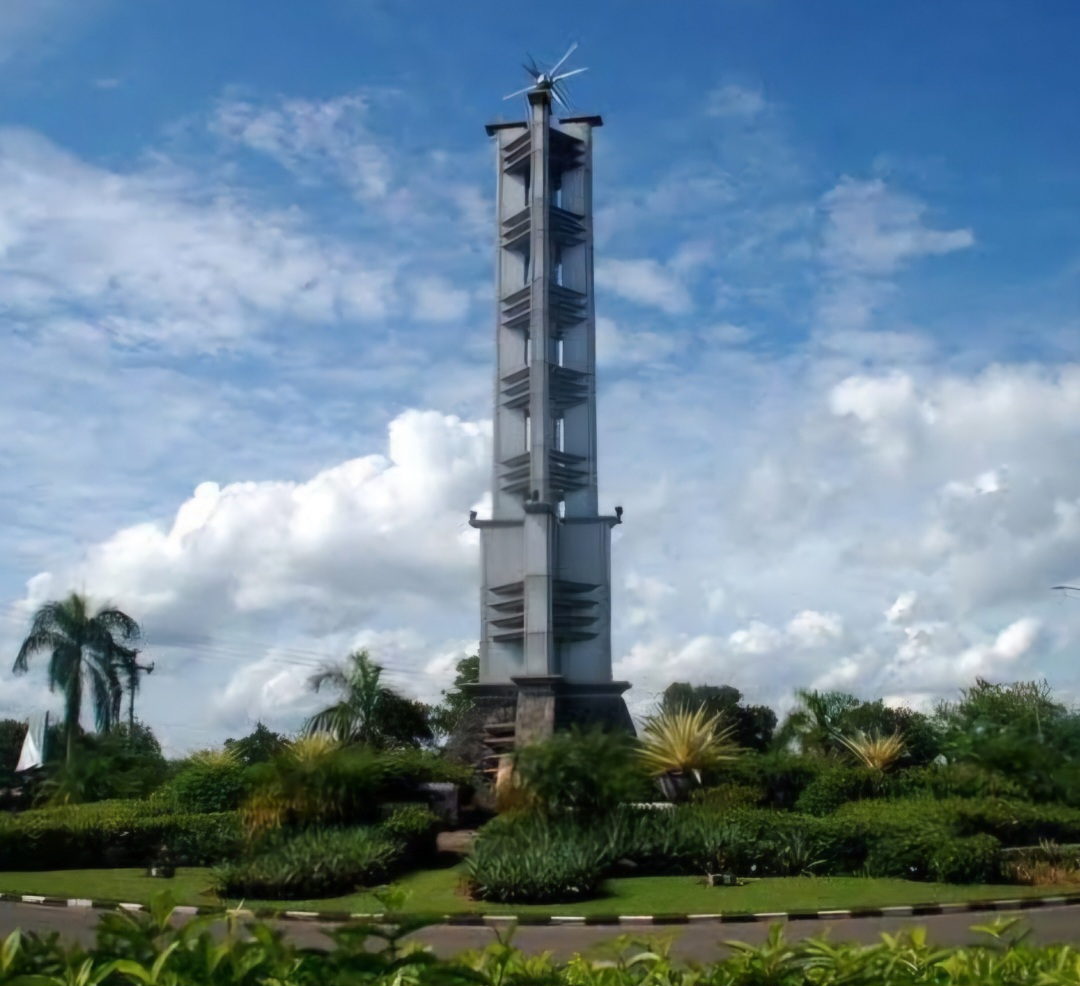
In Musi Banyuasin (Muba), South Sumatra, Medco E&P Rimau operated oil and gas assets within a wider infrastructure corridor shared with other operators.
The challenge:
- Multiple CSR programmes from different actors.
- Limited alignment with district development priorities.
- Communities seeing projects — but not progress.
The response:
- Formation of a multi-party CSR forum, co-chaired by company and district government.
- Sectoral working groups on livelihoods, education, health, and environment.
- A shared annual workplan aligning corporate spending with district budgets.
On the IAP2 Spectrum, the forum aimed for Involve/Collaborate — at least in CSR and community development decisions.
Key insights:
- Co-chairing signals partnership rather than philanthropy.
- Forums can act as grievance absorbers — resolving issues before they escalate.
- Cross-company cooperation is possible when framed as shared risk management.
PATTERNS ACROSS THE FOUR STORIES
Source: gusdurian
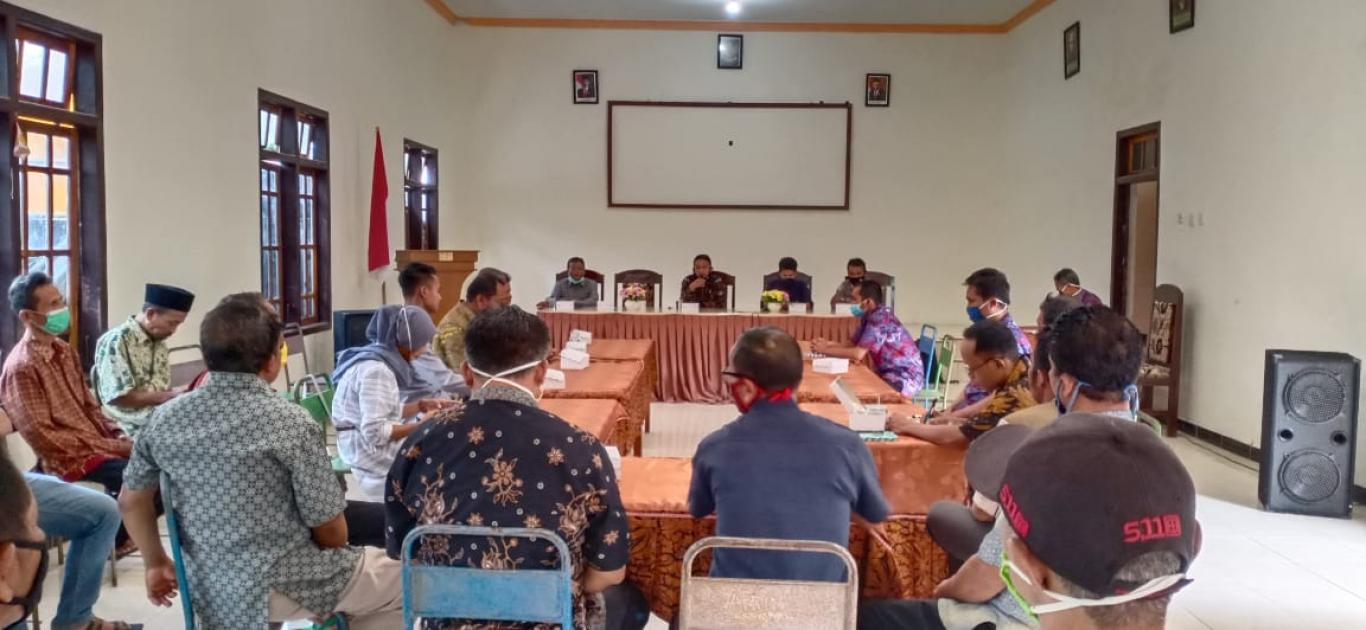
Across these diverse cases, several patterns consistently emerge:
- Shifts happen when participation moves from hearings to working groups. Smaller, task-oriented structures drive ownership and problem-solving.
- Data and narrative must travel together. Numbers (budgets, indicators) and lived experience (stories, fairness perceptions) are both essential inputs.
- Connection to formal institutions determines durability. Regulations, budgeting cycles, and policy linkages sustain dialogue beyond projects.
- Leadership is distributed, not heroic. These examples were carried by many actors — not a single champion.
For IAP2 practitioners, the conclusion is hopeful: Indonesia already has functional prototypes of collaborative governance in extractives.
The question now is how to scale, institutionalise, and adapt them — which is the focus of the third article in this series.