
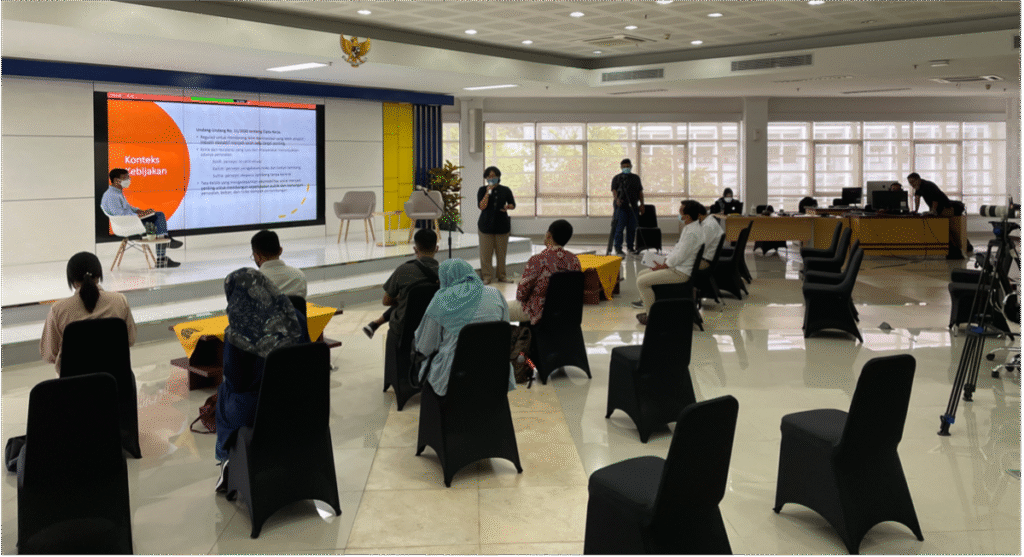
IAP2 Indonesia – If you’ve worked in public participation long enough, you’ve probably heard this question from a community member, a local official, or even your own team:
“Is this going to be just another FGD, or will something actually change?”
In extractive industries, that question is existential. There is little patience left for symbolic meetings that do not influence decisions. For IAP2 practitioners, the real challenge is to help clients and partners move from isolated events to durable platforms. This article offers a practical playbook – a set of questions, steps, and design choices – for doing exactly that.
STEP 1 – BE BRUTALLY CLEAR ABOUT PURPOSE AND LEVEL OF PARTICIPATION
Source: bsr
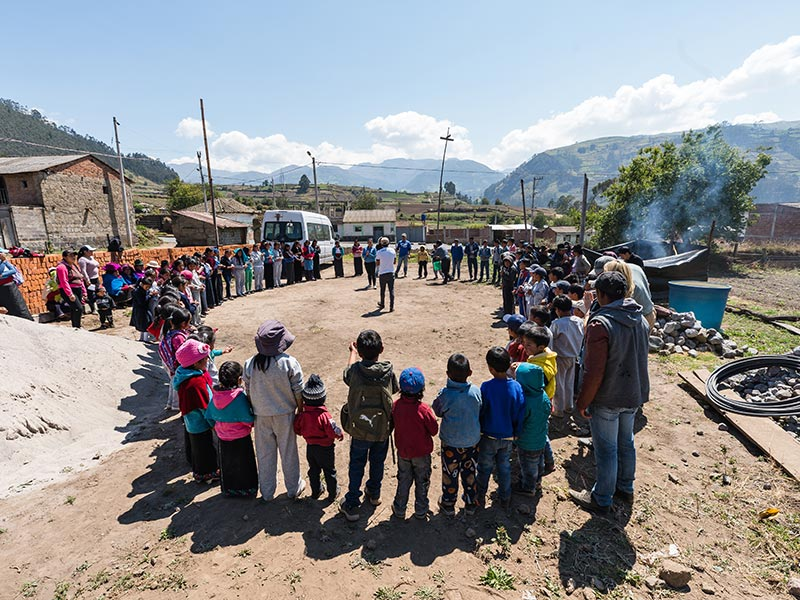
Before designing any forum, ask three non-negotiable questions:
- What decisions or behaviours do we hope this forum will influence?
- Project design?
- CSR priorities?
- Monitoring of environmental and social performance?
- Policy and regulation?
- Where does this sit on the IAP2 Spectrum – honestly?
- If we are at Inform, say so and invest in excellent, two-way communication.
- If we are at Consult, design a strong feedback loop (“you said – we did”).
- If we aim for Involve/Collaborate, ensure decision-makers are actually in the room and prepared to negotiate.
- What promise are we making to participants – and how will we demonstrate we kept it?
Write the answers down. Test them with internal stakeholders. If leadership is not ready to share influence, better to design a robust Inform/Consult process than a pretend collaboration.
STEP 2 – DESIGN THE ARCHITECTURE, NOT JUST THE AGENDA
Source: nature
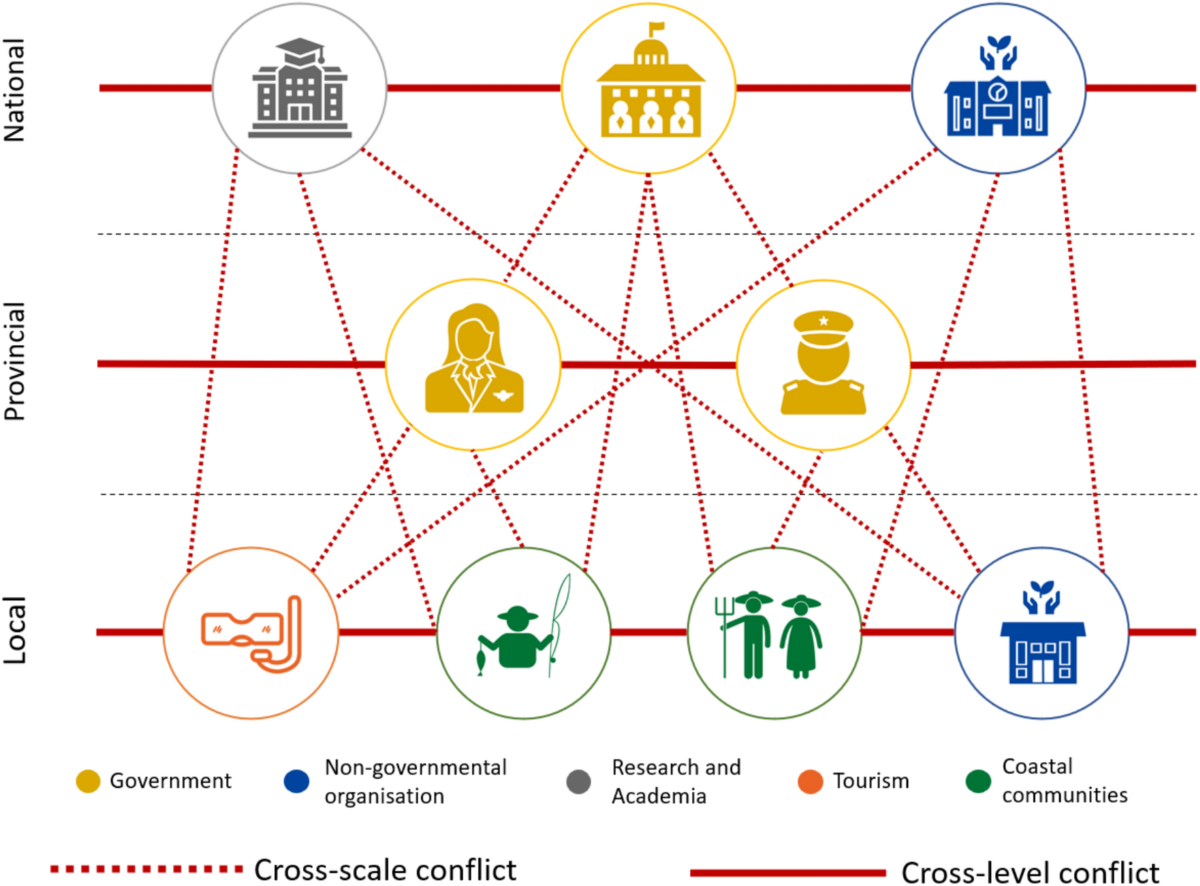
In complex sectors like extractives, no single forum can do everything. Instead of searching for the perfect one-size-fits-all platform, design an architecture:
- Micro-forums (project or village level)
- Purpose: joint planning and monitoring of concrete programmes (CSR, community development, local employment).
- Level on IAP2: Involve/Collaborate.
- District or provincial forums
- Purpose: align corporate investments with public plans; address cross-project issues (roads, education, health, environment).
- Level on IAP2: Consult/Involve (sometimes Collaborate).
- National platforms
- Purpose: transparency, policy dialogue, learning across regions and commodities (e.g., EITI MSG).
- Level on IAP2: Consult/Collaborate among major constituencies.
As IAP2 practitioners, we can help stakeholders see their forums as a system, not isolated events: Who feeds into whom? How does information flow? Where are decisions actually made?
STEP 3 – MAP RISKS UPFRONT USING A SIMPLE MATRIX
Source: hrw
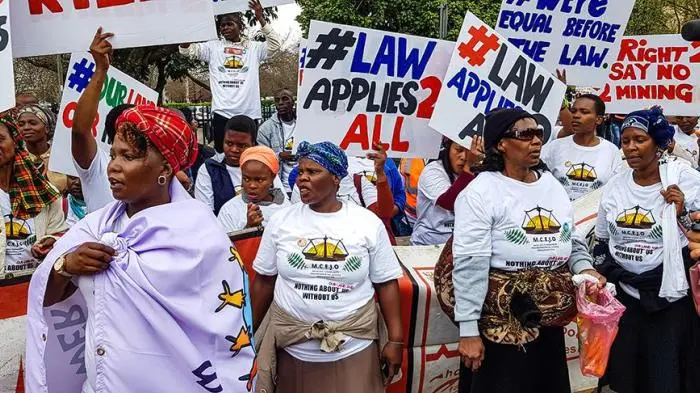
Multi-stakeholder platforms are not neutral spaces. They can go wrong in predictable ways:
- Tokenism and broken promises
- Capture by powerful actors
- Exclusion of indigenous peoples, women, youth, or informal settlers
- Information asymmetries
- Consultation fatigue
- Regulatory fragmentation
- Shrinking civic space and fear
Rather than ignoring these, build a risk–mitigation matrix into your design. For each risk, define:
- What’s the specific manifestation in this context?
- What would it look like if this risk materialises?
- What concrete mitigation steps can we take – now and later?
- Who is responsible for each mitigation action?
Make this matrix a standing agenda item once or twice a year. Forums that regularly review their own risks tend to mature faster and build deeper trust.
STEP 4 – MAKE DATA AND STORIES WORK TOGETHER
Source: eloquens
One of the most powerful roles a platform can play is joint fact-finding:
- Shared baselines on socio-economic conditions and environmental impacts
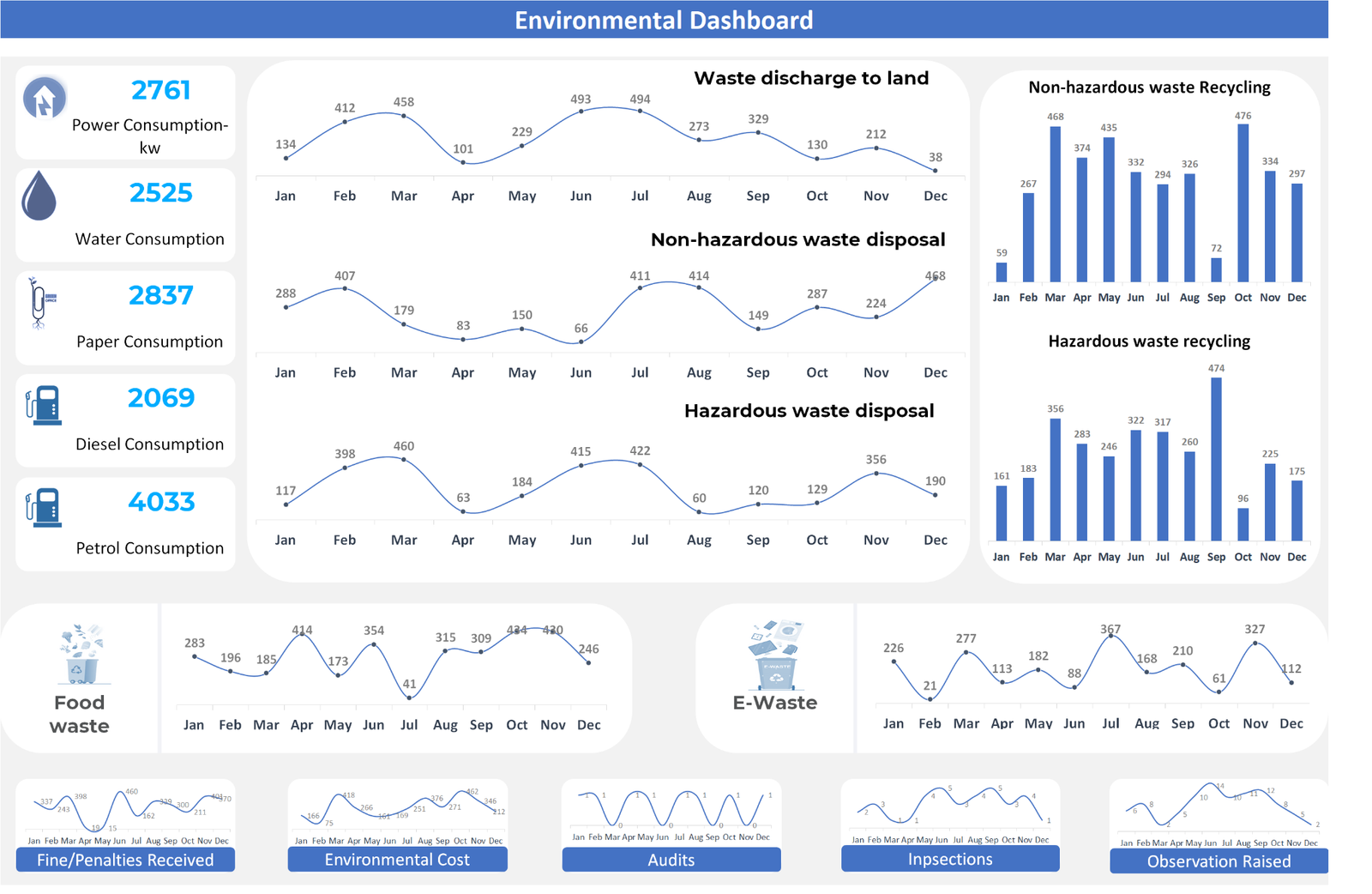
- Dashboards that track key indicators over time
- Public summaries of monitoring results and CSR spending
But platforms also need to honour local narratives:
- Histories of land use and displacement
- Perceptions of fairness and respect
- Lived experiences of environmental change
As IAP2 practitioners, we can design processes where data and stories inform each other:
- Start with community narratives, then test them against quantitative data
- Use participatory mapping, photo-voice, and storytelling as legitimate inputs
- Translate technical documents (AMDAL, ESIA, monitoring reports) into plain language and visual formats
When people recognise their own reality in the shared evidence, discussions become less about “who is lying” and more about “what do we do together?”
STEP 5 – CLOSE THE LOOP: “YOU SAID – WE DID”
Source: researchgate
Nothing erodes trust faster than the feeling that “we were heard but nothing happened.”
This is where the IAP2 principle of influence becomes critical.
Build a simple discipline into every forum:
After each cycle of meetings, produce a short “you said – we did” note summarising:
- What issues were raised
- What decisions were taken
- What was done, by whom, and by when
- What could not be done — and why
Share this not only with participants, but with their wider constituencies through:
- Noticeboards, WhatsApp groups, village assemblies
- Internal memos inside companies and government agencies
Make this track record cumulative. Over time, you build a visible history that proves the forum has teeth.
This discipline is deceptively simple — but often the line separating symbolic participation from meaningful influence.
STEP 6 – CONNECT TO REAL POWER: LAWS, BUDGETS, AND INSTITUTIONS
Source: indonesiaminer
Even the best-facilitated forum will fail if its outputs cannot travel into real decision channels. As practitioners, we need to think in terms of pipelines:
- Legal anchors:
- Local regulations or decrees that recognise a forum and define roles
- Integration into EITI MSG structures or similar national mechanisms
- Budget pipelines:
- Procedures for how forum recommendations inform corporate CSR budgets and government APBD allocations
- Timelines synchronised with budgeting cycles
- Institutional pipelines:
- Formal roles for planning agencies (Bappeda), regulators, and community representatives
- Requirements for follow-up reporting
Our job is to help design and negotiate these pipelines so that forums are not simply “talk shops”, but gateways into real-world decisions.
STEP 7 – INVEST IN PEOPLE, NOT JUST STRUCTURES
Source: humanitarian forum
Platforms rise and fall on the quality of the people who inhabit them.
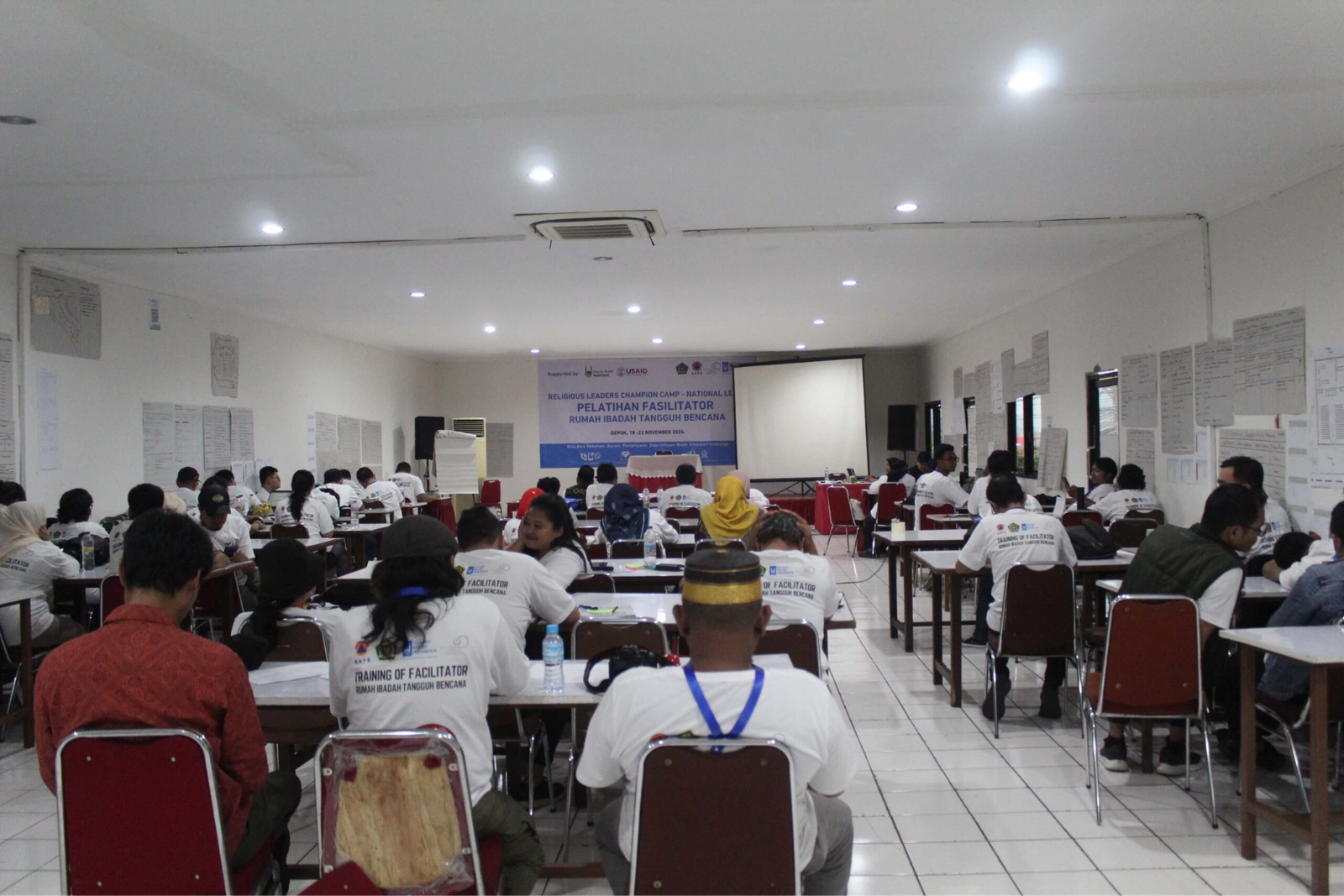
For extractive-sector forums, three types of capacity-building are crucial:
- Process skills:
- Facilitation, conflict management, inclusive meeting design
- Understanding of IAP2 Core Values and Spectrum
- Content literacy:
- Mining, energy, environmental, and social standards
- Ability to read and question impact assessments and monitoring reports
- Political navigation:
- Understanding of local power dynamics and institutional culture
- Negotiation and coalition-building
You may also like: WHEN WE ACTUALLY SIT TOGETHER: FOUR STORIES FROM INDONESIA’S EXTRACTIVE FRONTLINES
IAP2 Indonesia can play a strategic role here: a home for the profession — where practitioners in extractives learn, support each other, and build shared standards of practice.
Conclusion
Moving from “just another FGD” to a real platform is not a one-time design task. It is a long game of trust-building, institutional crafting, and disciplined learning. But in Indonesia’s extractive sector — with its high stakes, high scrutiny, and rapid transformation — it is a game we cannot afford to avoid. If we get this right, public participation stops being a box to tick. It becomes something much more powerful:
A way for Indonesia to navigate its resource wealth — and its energy transition — through shared decisions, not just shared risks.
That is a future worth designing for. And IAP2 practitioners can be at the centre of it.